Getting quotes from a loft conversion company is exciting. You have a vision for the space and you want to get started. But the questions you ask before you sign a contract matter just as much as the price on the quote. The right questions will help you spot a good company, avoid problems during the build, and make sure there are no nasty surprises when the bill arrives.
This guide covers every important question to ask any loft conversion company in Cambridge or elsewhere before work begins.
Questions About Experience and Track Record
How many loft conversions have you completed?
A company with dozens of completed projects will handle problems more calmly than one doing its third job. Ask specifically about loft conversions, not general building work. A general builder and a loft specialist are very different things.
Have you worked on homes like mine?
Victorian terraces, semi-detached homes, and modern builds all come with different roof structures and challenges. A company that has worked on similar properties in Cambridge will understand what to expect before they even open a hatch.
Can I speak to a previous customer?
Any company that is proud of its work will be happy to put you in touch with a past client. If they hesitate or say they cannot share details, that is worth noting. Google reviews are helpful but a real conversation tells you much more.
Can I see photos of finished projects?
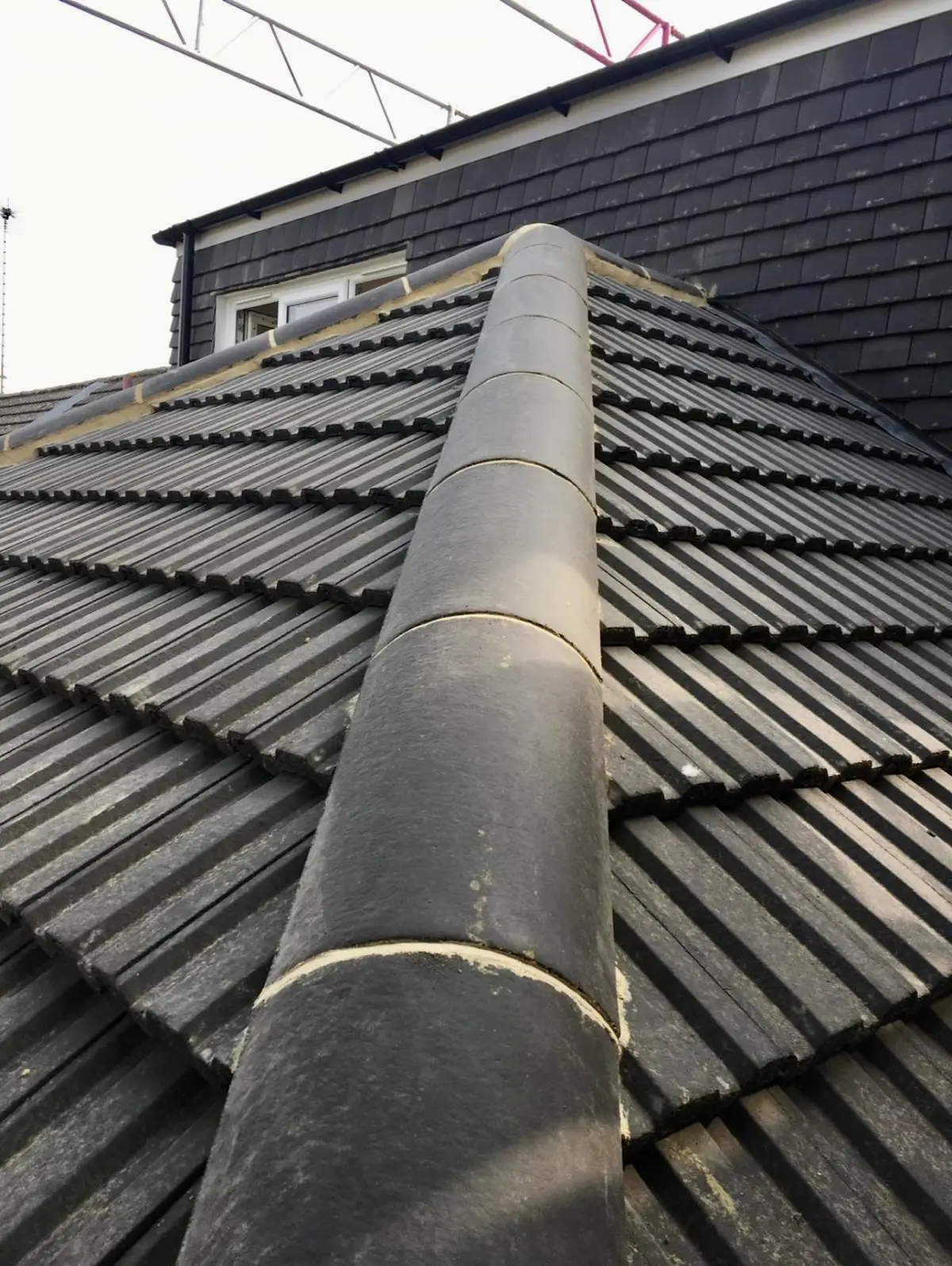
Ask to see before and after photos of actual completed conversions, not just marketing images. If the company does not have a portfolio of real work to show you, that is a concern.
Questions About the Quote
Is this quote fully itemised?
A good quote should list every element of the job separately: floor structure, insulation, windows, staircase, electrics, plastering, decoration. A single lump sum makes it impossible to compare quotes from different companies or understand what you are actually paying for.
Does the price include VAT?
Some companies quote excluding VAT. Others do not charge VAT at all if your project qualifies as a conversion under HMRC rules. Always ask so you are comparing like for like.
What is not included in this price?
This is one of the most important questions to ask a loft conversion company. Common extras that get left out of cheap quotes include: building regulations fees, flooring, decorating, the staircase, and the Lawful Development Certificate. Ask for a full list of exclusions in writing.
What happens if the project goes over budget?
Find out how they handle unexpected costs. Good companies will flag potential issues during the survey stage and discuss them upfront. Be cautious of companies that say cost overruns never happen. They sometimes do, and you want a company that deals with them fairly.
Questions About Planning and Legal
Will my project need planning permission?
Most loft conversions in Cambridge go ahead under permitted development rights without a full planning application. But there are exceptions: conservation areas, front-facing dormers, and flats all have different rules. Your company should know the answer to this before they quote, not after. You can check the basics yourself at the Planning Portal.
Will you apply for a Lawful Development Certificate?
Even when planning permission is not required, a Lawful Development Certificate is strongly recommended. It gives you legal proof that the work was compliant with permitted development rules. Without it, buyers and their solicitors may raise questions when you sell. Ask whether the company includes this in their service or whether you need to arrange it yourself.
Who handles the building regulations application?
All loft conversions must comply with building regulations regardless of planning permission. This covers structural work, fire safety, insulation, ventilation, and the staircase. A proper loft conversion company will submit the application and arrange the required inspector visits throughout the build. If they leave this to you, ask why.
Do I need a party wall agreement?
If your home is terraced or semi-detached, structural work near the shared wall with your neighbour may trigger the Party Wall Act. You would need to serve a Party Wall Notice at least two months before work starts. Ask the company whether your project requires this and whether they can advise on the process.
Questions About the Build Process
Who will be on site every day?
Find out whether the company uses its own team or subcontractors. There is nothing wrong with subcontracting certain trades, but you want to know who is responsible for the overall quality of the work. Ask who your main point of contact is during the build.
How will you protect the rest of my home?
Loft work produces dust and noise. A good company will use dust sheets on stairs and landings, board over access areas, and clear the site at the end of each working day. Ask specifically what measures they take and whether you can stay in the house during the build.
What is the build timeline?
Get a clear start date and an estimated finish date in writing. Ask what factors could cause delays and how they communicate if the timeline changes. Vague answers here are a red flag.
How do you handle problems that come up during the build?
Unexpected things do come up in loft conversions: a roof timber that needs replacing, a floor joist that is in the wrong position. Ask how the company communicates these situations and how they are priced. You want a company that tells you straight away, not one that patches things quietly and charges you later.

Questions About Insurance and Warranty
Are you fully insured?
Ask to see proof of public liability insurance and ask whether their workers are covered on your property. A legitimate company will share this without hesitation. Do not start any work with a company that cannot confirm their insurance position.
What warranty do you offer on the conversion?
Ask what the company guarantees and for how long. This includes structural work, the roof, windows, and any internal finishes. Get the warranty terms in writing as part of your contract.
Red Flags to Watch Out For
Beyond the questions, watch for these warning signs when speaking to any loft conversion company:
- Cash only payments. No legitimate company insists on cash. It usually means no paper trail and no protection for you.
- No mention of building regulations. If a company does not raise building regs themselves, ask why. Skipping them is illegal and causes serious problems when you sell.
- No fixed staircase in the design. A loft conversion must have a permanent staircase to comply with building regulations. A pull-down ladder does not count.
- Vague or verbal-only quotes. If they will not put it in writing, do not proceed.
- High pressure to sign quickly. A good company will give you time to compare quotes and think. Pressure tactics are a warning sign.
- No survey before quoting. A company that quotes without visiting your property is guessing. Prices will change once they actually see the loft.
A Simple Checklist Before You Sign
Before signing with any loft conversion company, confirm:
- Quote is fully itemised in writing
- VAT position is clear
- Exclusions are listed
- Planning and permitted development position confirmed
- Lawful Development Certificate discussed
- Building regulations application included
- Party wall position confirmed if terraced or semi
- Start and finish dates agreed
- Insurance confirmed
- Warranty terms in writing
Frequently Asked Questions
How many quotes should I get for a loft conversion?
Get at least three quotes. This gives you a realistic sense of the market rate and lets you compare what each company includes. Be cautious of any quote that is significantly lower than the others. It usually means something is missing.
How do I check if a loft conversion company is legitimate?
Check their company registration on Companies House, look at their Google reviews, ask for proof of insurance, and request references from recent clients. A company registered in England and Wales with a track record of completed projects and verifiable reviews is a good starting point.
What should a loft conversion contract include?
Your contract should include a full itemised scope of works, the agreed price, payment schedule, start and finish dates, what happens if costs change, warranty terms, and insurance details. Do not start work without a signed contract in place.
Is it worth paying more for a specialist loft conversion company?
Yes, in most cases. A specialist will have dealt with the specific challenges that come with loft work: ridge height, structural load, fire safety, and building regulations sign-off. A general builder may be cheaper upfront but can cost more if problems arise during or after the build.
Can a loft conversion company handle planning permission for me?
Most reputable companies will advise on planning and can apply for a Lawful Development Certificate on your behalf. If a full planning application is needed, many will work with an architect or planning consultant to manage this. Always confirm what is included in your quote.